


Transitional living facilities exist to help people in recovery from addiction maintain sobriety and find meaning in life. Recovery is a lifelong process of improving health and well-being while living independently. It involves changing your outlook on life, your behavior and in some cases your environment. Successful recovery is inspired by the hope that recovery is possible and faith that you will recover.
Behavioral Changes as Core Contributors to Health
- Cravings are the intense desire for alcohol or drugs given formidable force by neural circuitry honed over time into single-minded pursuit of the outsize neurochemical reward such substances deliver.
- Implications of this are that the average may be substantially lower than anticipated because cultural expectations are often based on AOD problems being “chronically relapsing” disorders implicating seemingly endless tries.
- But some in Kennedy’s orbit warn that harm reduction can go too far, blurring the line between well-intentioned public health measures and effectively encouraging continued drug use.
- Because addiction affects the brain’s executive functions, centered in the prefrontal cortex, individuals who develop an addiction may not be aware that their behavior is causing problems for themselves and others.
- Whatever the stress relief that comes from being in a group, many others are not comfortable with the religiosity, the steady focus on the dangers of relapse rather than on growth, or the subscription to powerlessness of AA and NA.
For more information on evidence-based guidelines visit Addiction Medicine Primer. Recognizing the transformative power of creative arts in advancing recovery, in May 2024, the Office of Recovery launched the Art of Recovery, inviting visual art submissions from individuals with lived experience and their families. The digital gallery features over 280 selected artworks in celebration of National Recovery Month. 2 in 3 adults who ever had a mental health problem considered themselves to be recovering or in recovery. But there’s also a Substance abuse significant population of 65+ addicted adults who survive multiple overdoses and illnesses. Exploring the link between gambling and alcohol among young Australians uncovers key risks, social factors, and solutions to address growing harms.
- A routine review of one’s treatment plan may be necessary to determine if another method could be more effective.
- It’s important to explore your options and choose treatment that addresses your individual needs.
- PHP studies consistently show high rates of continuous recovery without recurrences of AOD use and related consequences (Skipper and DuPont, 2011).
- If you or a loved one is ready to take action and start the drug and alcohol recovery process, you’ve already started the stages of change and may be looking for treatment options.
Treatments
This resource might help once the individual acknowledges the presence of addiction. For those who have become physically dependent on a substance, abrupt discontinuation may provoke many unpleasant symptoms, and, in some cases, it may be fatal. Addiction is a chronic condition that can also result from taking medications. In fact, the misuse of opioids — particularly illicitly made fentanyl — caused nearly 50,000 deaths in the United States in 2019 alone. The handbooks are full of tools, exercises and practical information that you can apply immediately. All proceeds go to support our fight against the addiction epidemic in America.
Does relapse to drug use mean treatment has failed?
You can learn about the different types of addiction to aid in your substance abuse recovery. Making decisions that support physical and mental health and avoiding drugs, alcohol or other substances of abuse. Overcoming drug addiction is a complex process that can occur at different paces. There are 30-, 60-, and 90-day treatment programs, but because addiction can’t be cured, follow-up support is crucial. Besides improving overall health, exercise improves mood and builds self-esteem, key areas in drug abuse recovery. Thirty minutes of daily physical activity, like brisk walking, will bring overall health benefits.
Next dietary guidelines should lead with plant-based foods, scientific advisers say
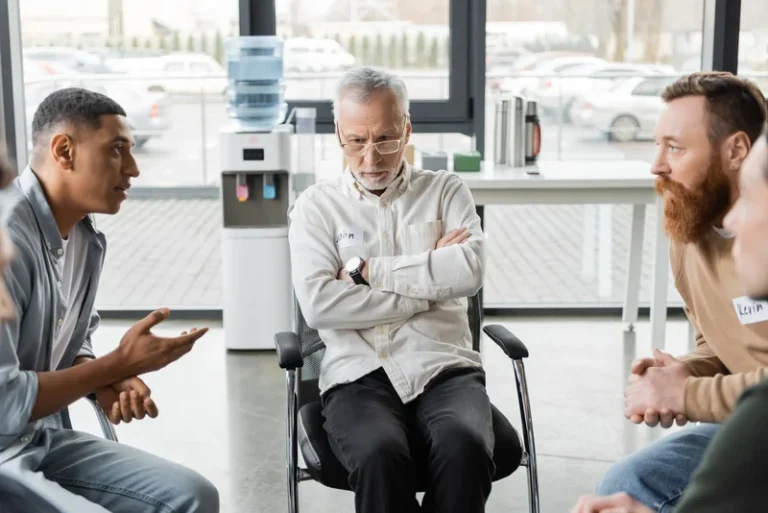
Planning in advance a way out of high-risk situations—whether an event, a place, or a person—helps support intentions in the face of triggers to use. The goal of detoxification, also called “detox” or withdrawal therapy, is to enable you to stop taking the addicting drug as quickly and safely as possible. For some people, it may be safe to undergo withdrawal therapy on an outpatient basis. Others may need admission to a hospital or a residential treatment center. Your data will be processed in accordance with our Privacy Policy and Terms of Service. STAT’s coverage of chronic health issues is supported by a grant from Bloomberg Philanthropies.
Drugs & Supplements
Recovery may involve medication to help with cravings and withdrawal as well as different forms of therapy. It may require checking into a rehabilitation facility.45 Recovery can be challenging, but it is possible. Research has demonstrated that MOUD is effective in helping people recover from their OUD.567 It is important to find what works best each individual. A full-time facility provides a supportive environment to help people recover without distractions or temptations.
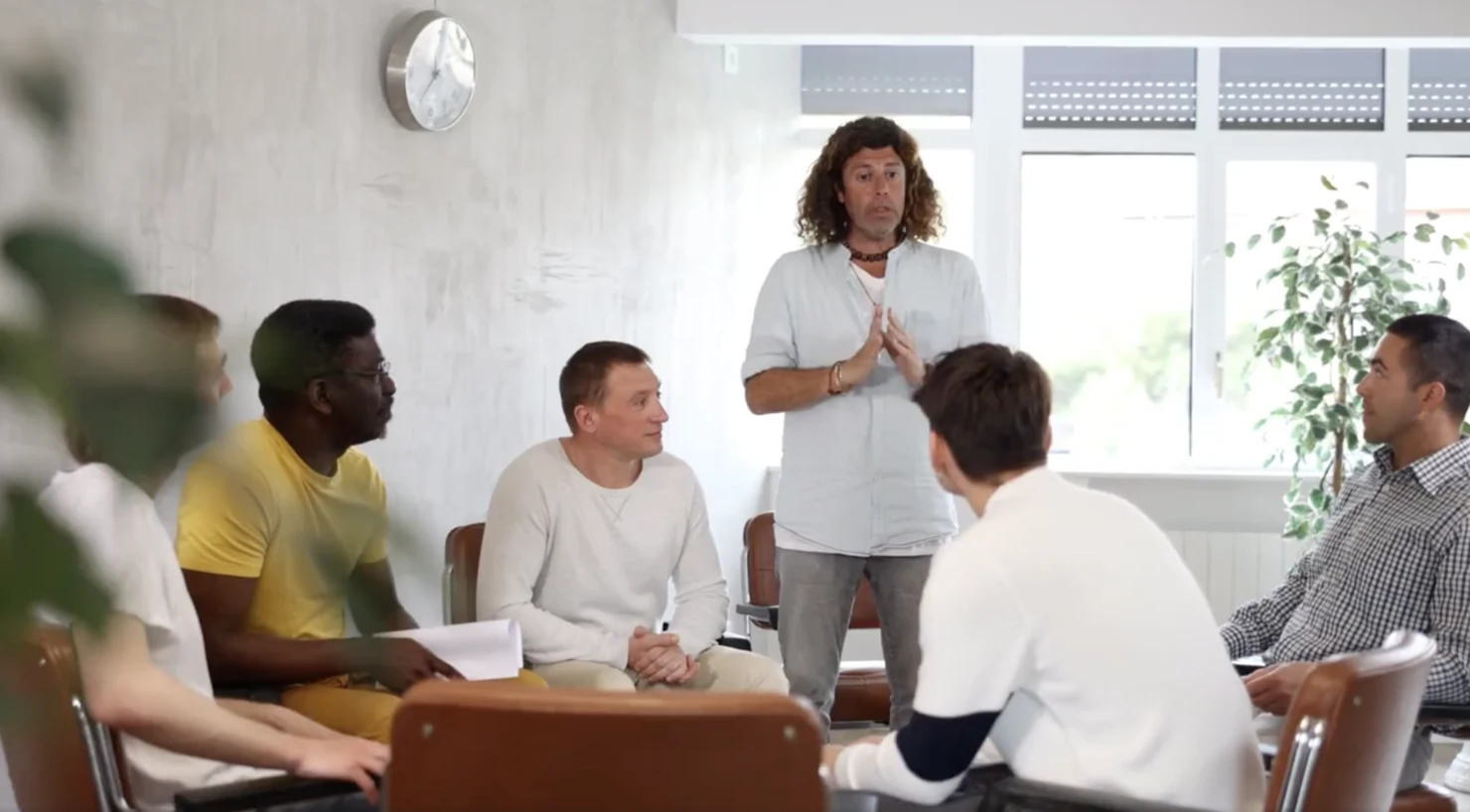
A small group of adolescents relapsed when facing interpersonal difficulties accompanied by negative emotions and social pressures to drink or use. Treatment and education can help adults learn techniques for handling urges and ways of accepting and managing negative emotions. Treatment and information aimed at adolescents can help them learn techniques for managing both positive and negative emotional states. Nevertheless, experts see relapse as an opportunity to learn from the experience about personal vulnerabilities and triggers, to develop a detailed relapse prevention plan, and =https://ecosoberhouse.com/ to step up treatment and support activities. People can learn to resist or outsmart the cravings until they become manageable. There are strategies of distraction and action people can learn to keep them from interrupting recovery.
Office of Addiction Services and Supports
Recovery involves rebuilding a life— returning to wellness and becoming a functioning member of society. Every person needs a comprehensive recovery plan that addresses educational needs, job skills, social relationships, and mental and physical health. Therapy may be critical to resolving underlying problems that made escape into substance use so appealing in the first place. Addiction doesn’t just affect individuals; addiction is a family affliction. The uncertainty of a person’s behavior tests family bonds, creates considerable shame, and give rise to great amounts of anxiety.
Time Frame and Relapse
However, these tests may be used for monitoring treatment and recovery. Research on the science of addiction drug addiction recovery and the treatment of substance use disorders has led to the development of research-based methods that help people to stop using drugs and resume productive lives, also known as being in recovery. Both substance use disorders and gambling behaviors have an increased likelihood of being accompanied by mental health conditions such as depression and anxiety, or other pre-existing problems.
- The Stages of Change model, an integral part of TTM, incorporates an environmental dimension, examining how targeted behavior changes manifest within the broader context of an individual’s life.
- The recovery process from drug or alcohol addiction often involves a person making a significant change(s) to improve their quality of life, including overall health and wellness.
- A person with addiction can find many organizations that may help them.
- Thirty minutes of daily physical activity, like brisk walking, will bring overall health benefits.
And one measure of a comprehensive substance abuse treatment program is the help it offers to enrollees to identify their interests and find and build a meaningful career path. Individuals with experience and expertise may find a route to full employment by first being willing to offer their skills pro bono or as a volunteer to businesses or nonprofit organizations in their field. Gaining the skills to avoid relapse is a necessary part of the recovery process. At least equally necessary is developing in a positive direction out of the addiction. The key is cultivating new goals and taking measures to move towards them.


Leave a reply